
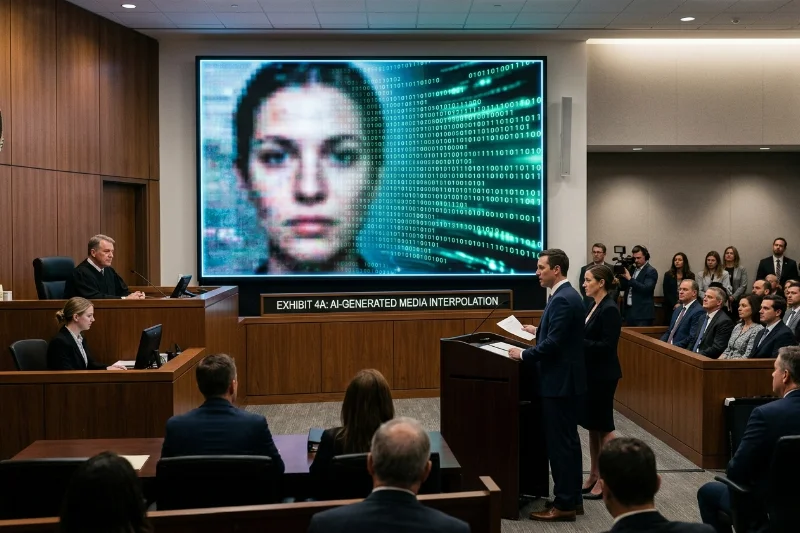
In a significant move that highlights the growing intersection of technology and law, federal authorities have announced charges against two individuals involved in the creation and distribution of AI-generated celebrity pornography. This case marks one of the first major legal actions targeting the non-consensual use of deepfake technology to create explicit content. The indictment underscores the increasing concern over how artificial intelligence can be weaponized to violate personal privacy and exploit public figures for financial or malicious gains.
Details of the Federal Indictment
The charges, filed in federal court, outline a sophisticated operation where the defendants allegedly utilized advanced machine learning models to synthesize high-quality explicit images. According to the prosecutors, the duo not only created the content but also sought to monetize it through various underground digital platforms. The legal framework used to bring these charges includes statutes related to identity theft, cyberstalking, and the distribution of harmful materials, providing a roadmap for future prosecutions in the AI space.
Technical analysis provided by investigators suggests that the defendants leveraged open-source deepfake frameworks, which they fine-tuned using vast datasets of publicly available celebrity imagery. This method allowed them to create highly realistic “face-swaps” that were difficult for the untrained eye to distinguish from authentic media. The ease with which such tools can be accessed has prompted a wider discussion regarding the ethical responsibilities of AI developers and the necessity of “watermarking” synthetic media.
The Devastating Impact on Victims
Beyond the legal ramifications, the case highlights the profound psychological and reputational damage inflicted upon the victims. For the celebrities involved, the proliferation of non-consensual AI content represents a digital violation that is often difficult to scrub from the internet. Advocates for digital rights emphasize that these acts are not merely technological pranks but are forms of image-based sexual abuse that can have long-lasting effects on a person’s career and mental well-being.
A New Precedent for Digital Privacy
This prosecution is being watched closely by legal experts as it sets a critical precedent for how existing laws are applied to emerging AI technologies. While many states have begun implementing their own deepfake bans, a federal-level case provides much-needed clarity on how national jurisdictions handle digital exploitation. It signals to potential bad actors that the perceived anonymity of the internet does not provide a shield against the consequences of creating harmful synthetic content.
The current state of AI regulation remains a patchwork of evolving guidelines and reactive measures. While the White House and various international bodies have issued executive orders and white papers on AI ethics, comprehensive federal legislation specifically targeting non-consensual deepfakes is still in the works. This case serves as a catalyst for lawmakers to accelerate the drafting of the “NO FAKES Act” and similar protections intended to safeguard individual likenesses from unauthorized AI replication.
Responsibility of Platforms and Developers
As the legal battle unfolds, attention is also turning toward the platforms and developers that host AI tools and the resulting content. Tech giants are under increasing pressure to implement more robust moderation algorithms capable of detecting and removing synthetic pornography before it goes viral. There is also a growing call for developers to bake “safety guardrails” into their software to prevent the generation of explicit content involving real people without their explicit consent.
In conclusion, the charging of these two individuals represents a pivotal moment in the fight against digital exploitation in the age of artificial intelligence. It serves as a stark reminder that while technology evolves at a rapid pace, the principles of consent and privacy remain fundamental. As legal systems continue to adapt, this case will likely be cited as a foundational step toward a more secure and ethical digital landscape where AI is used for innovation rather than harm.