
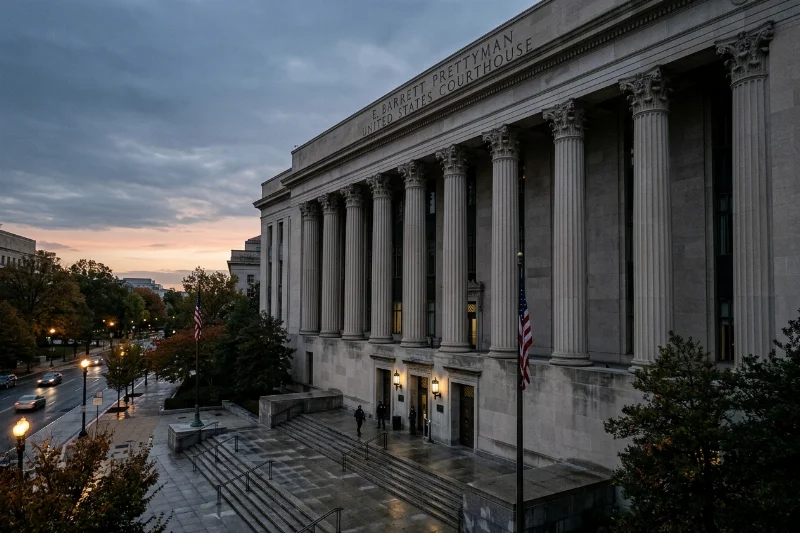
In a landmark decision that reshapes the legal landscape for military personnel, a federal appeals court has ruled that the Pentagon’s long-standing policy banning transgender individuals from serving openly in the United States Armed Forces is illegal. The ruling marks a significant victory for civil rights advocates and transgender service members who have spent years challenging the constitutionality of restrictive military policies. The court determined that the ban failed to meet the necessary legal standards for discriminatory policies, citing a lack of evidence that such a prohibition serves a legitimate governmental interest.
The Legal Basis for the Court’s Decision
The appellate court’s opinion focused heavily on the Equal Protection Clause, asserting that any policy targeting a specific group must withstand rigorous judicial scrutiny. The judges found that the Department of Defense did not provide sufficient justification for the exclusion, noting that the exclusion of qualified individuals based solely on gender identity is inherently discriminatory. This decision reverses previous lower court stances that had allowed the policy to remain in place under the guise of military readiness and medical necessity.
Challenging the Definition of Military Readiness
Central to the Pentagon’s argument was the claim that transgender service members could potentially compromise the ‘unit cohesion’ and ‘lethality’ of the force. However, the court systematically dismantled these assertions, pointing to testimony from military experts and data from other nations that allow transgender individuals to serve without incident. The ruling emphasized that military readiness is actually enhanced by a diverse and inclusive force where every capable citizen has the opportunity to serve their country.
Advocacy groups that represented the plaintiffs, including several active-duty service members, hailed the ruling as a historic step toward equality. Legal teams argued that the ban was based on outdated stereotypes rather than empirical data regarding the capabilities of transgender personnel. By striking down the policy, the court has effectively cleared a path for hundreds of service members who have been living in legal limbo, unsure of their futures in the military.
Responses from the Pentagon and Legislators
The Department of Defense has yet to announce whether it will appeal the decision to the Supreme Court. In a brief statement, a spokesperson for the Pentagon noted that they are currently reviewing the court’s opinion and remain committed to ensuring that all personnel are treated with dignity and respect. Despite the legal setback, the department must now grapple with the immediate logistical requirements of integrating the court’s mandate into current recruitment and retention protocols.
On Capitol Hill, the ruling was met with a polarized response. Supporters of the decision argued that it brings the military in line with modern societal values and federal employment laws. Conversely, some conservative lawmakers expressed concern that the judicial system is overstepping its bounds by interfering with military policy. The debate highlights the ongoing cultural and political friction surrounding LGBTQ+ rights within the context of national security.
Implications for Future Military Policy
The ruling sets a powerful precedent that could affect other branches of the federal government and their respective employment policies. If the decision stands, it will likely necessitate a comprehensive review of all military medical and behavioral health standards to ensure they are not used as a proxy for discrimination. Legal experts suggest that this could lead to more transparent and objective criteria for all service members, regardless of their gender identity.
As the military prepares to implement these changes, the focus turns to the individual service members who have been at the heart of this legal battle. Many have served with distinction while hiding their identities or fighting discharge proceedings. For them, this ruling is not just a legal technicality, but a formal recognition of their right to serve the nation they love without fear of institutional prejudice.
In the broader context of American law, this case serves as a critical touchstone for the evolving interpretation of civil rights in the 21st century. As the nation continues to debate the boundaries of equality, the judiciary remains a pivotal arena for defining the protections afforded to marginalized groups. The eventual resolution of this case, whether through legislative action or a Supreme Court ruling, will undoubtedly leave a lasting mark on the United States military.
In conclusion, the federal appeals court’s decision represents a seismic shift in the Pentagon’s approach to diversity. By declaring the ban illegal, the court has affirmed that the merit of a service member is defined by their skill, dedication, and character, rather than their gender identity. The road ahead may involve further legal challenges, but the message from the bench is clear: discrimination has no place in the defense of the nation.